
It's important to introduce allergens like sesame to babies early on to reduce likelihood of allergies. Here is how to introduce sesame to babies in delicious, nutrient-dense ways, including serving ideas for baby led weaning and spoon feeding and recipe recommendations.

This post has been written and medically reviewed by Kaleigh McMordie, MCN, RDN (Registered Dietitian Nutritionist).
Introducing Sesame to Babies
Sesame is a food that you might not prioritize on your list when introducing new foods to baby, but you should! Sesame seeds are tiny, nutritious seeds that many of us don't think about much, but they show up often in everyday foods, from a sprinkling on top of buns, to spice mixes, to hummus and other sauces and spreads, to stir-fries to desserts. Sesame is also becoming a more common allergen in kids, landing in in the top 9, which is why it's important to introduce to your little one sooner rather than later. Here's exactly why and how to introduce sesame to your baby around 6 months of age, plus recipe ideas for keeping it in the rotation!
Jump to:
Importance of Allergen Exposure
With food allergies in kids on the rise, we as parents want to do everything possible to prevent a food allergy before it starts. It may sound counter-intuitive, but introducing allergens early on in a baby's diet and keeping them in on a regular basis is actually preventative for the development of food allergies1. Most studies in the area focus on peanuts and eggs, but it's thought that the same principle applies to all food allergens2. This is especially important in high risk babies, such as those with moderate to severe eczema and those with a family history of food allergies or a diagnosed allergy to another food, such as eggs. So it's a good idea to start introducing potential allergens foods, such as sesame, early on once baby starts solids, around 6 months (or even earlier for high risk babies).
Read more: Introducing Allergens to Babies
Confused about allergens? Introduce all top 9 allergens easily and safely with my step-by-step guide Allergen Introduction Made Easy!
When Can Babies Eat Sesame?
Babies can have sesame as soon as they are ready for solid foods, usually around 6 months old. Make sure to serve it in a developmentally appropriate way for your little one's eating ability. If your little one is high risk, you may need to introduce it earlier using a spoon-feeding method and purees as early as 4 months.
Since sesame is a common potential allergen, make sure to introduce it without any other allergen foods for the first time, and observe baby for a couple of hours afterward for signs of a reaction.
How To Serve Sesame for Baby Led Weaning
Luckily, sesame is super easy to include in baby's diet because the seeds are so small, and because it's available in several forms, including whole seeds, tahini, and sesame oil. Here are BLW-friendly ways to introduce all three for baby led weaning babies 6 months and up.
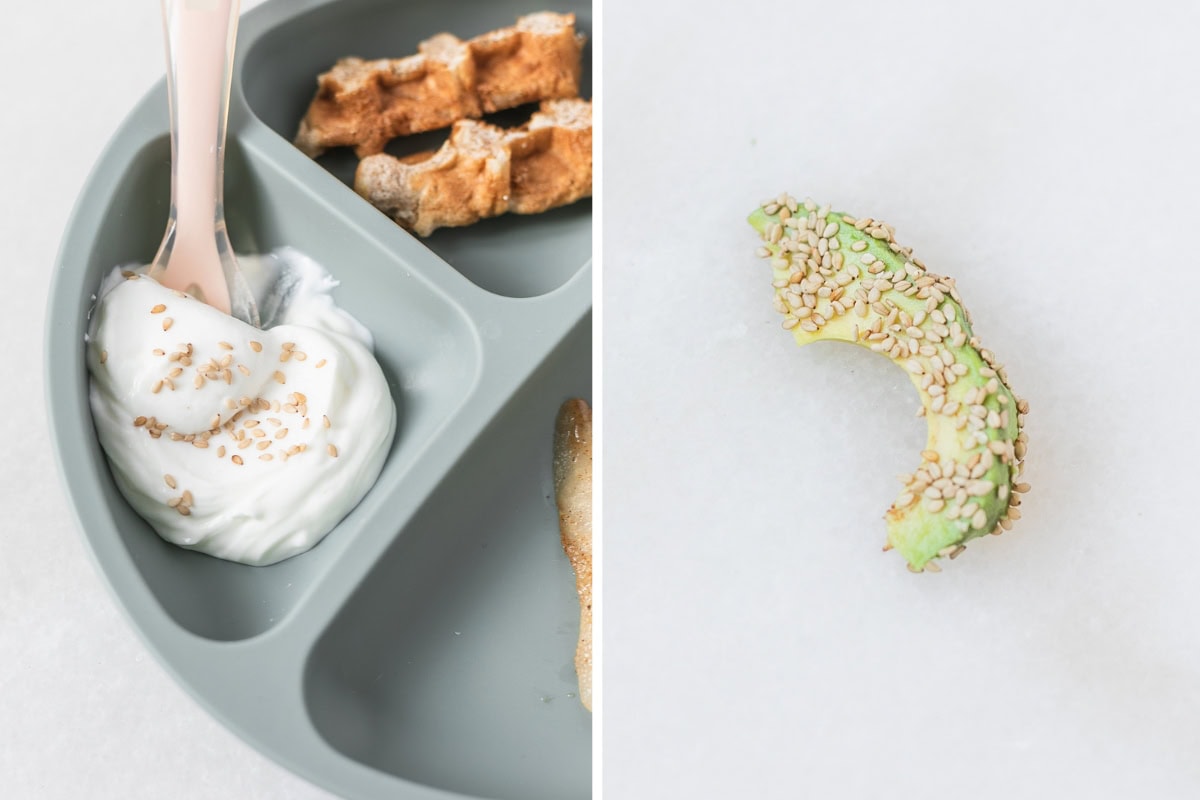
Sesame Seeds
Sesame seeds can be sprinkled right on top of yogurt, oatmeal, rice, roasted veggies, or any other soft age appropriate food that baby is already eating! You can also roll slippery foods, such as avocado or banana, in sesame seeds to add a little grip, making them easier for baby to pick up and eat.
Keep in mind that whole seeds are often swallowed whole, so baby won't get as much benefit. I recommend crushing them a little bit with a mortar and pestle or briefly pulsing in a food processor.
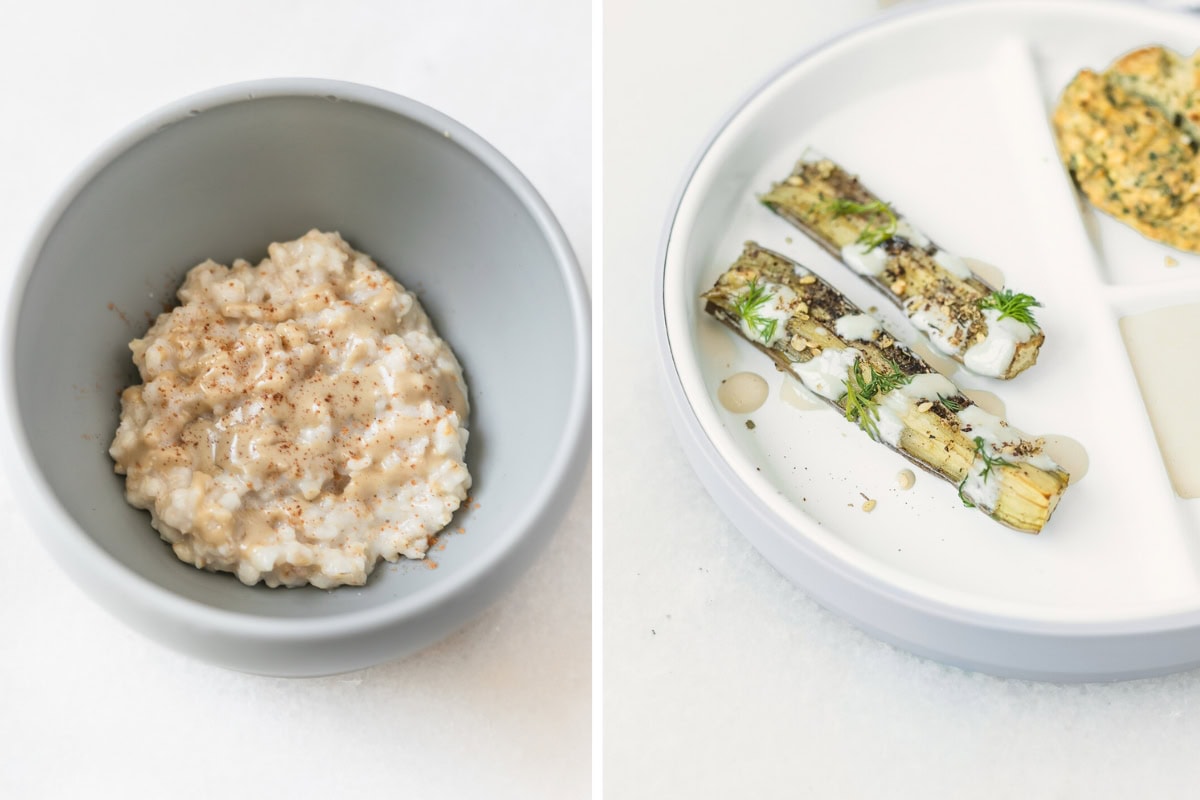
Sesame Paste (Tahini)
I love tahini, and it's one of my favorite ways to get sesame into baby's diet. Tahini is a paste made from sesame seeds, similar to nut butter but typically with a more runny consistency. It often shows up in hummus and other sauces, and is common in Middle Eastern food. Look for one that is runny in consistency, such as Soom tahini.
Tahini can be drizzled on oatmeal, meatballs and vegetables, mixed into foods that have a puree-like consistency, or spread on BLW friendly pancakes. Tahini is in several delicious sauces and dressings that you can offer alongside family meals.
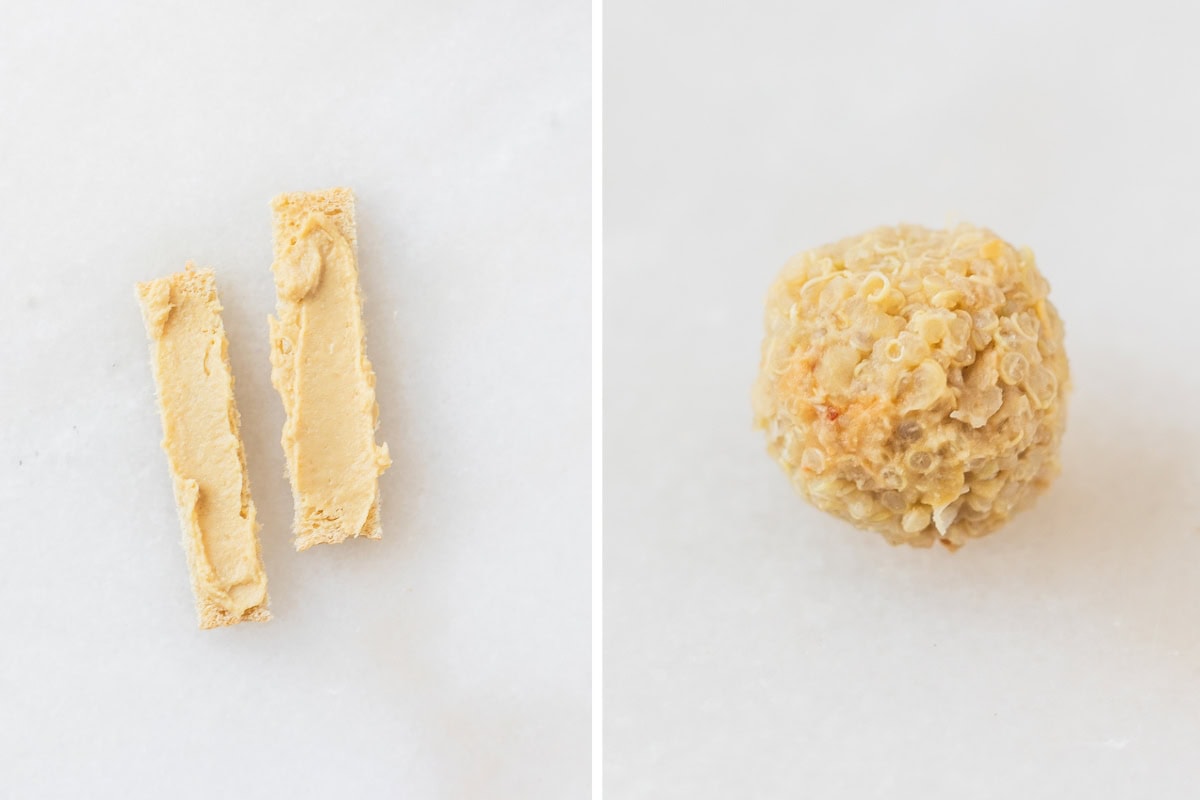
Hummus
Hummus, the delicious chickpea dip, is almost always made with tahini! If your little one has already been introduced to chickpeas, hummus is also a great option for keeping sesame in your baby's diet. You can also just offer hummus on a soft spoon, made into quinoa balls, or spread on lightly toasted bread.
Sesame Oil
Sesame oil is commonly found in Asian inspired dishes, like stir-fries. Some oils are considered allergy-safe, meaning they are refined enough that they will not cause an allergic reaction in people who are allergic, but that's not the case with sesame oil - which is a good thing in the case of introducing allergens in non-allergic babies! Though it should be noted that clinically, sesame oil is not considered to have sufficient protein for desensitization. A little drizzle of sesame oil adds great flavor Asian-leaning marinades, dressings, and sauces, such as peanut sauce. Just make sure the recipe is otherwise appropriate for baby, since some will contain honey, high levels of sodium, or other allergen foods (like peanuts).
You can use a small amount of sesame oil to cook veggies for baby, or add a little drizzle on rice.
How To Serve Sesame for Spoon Feeding Babies
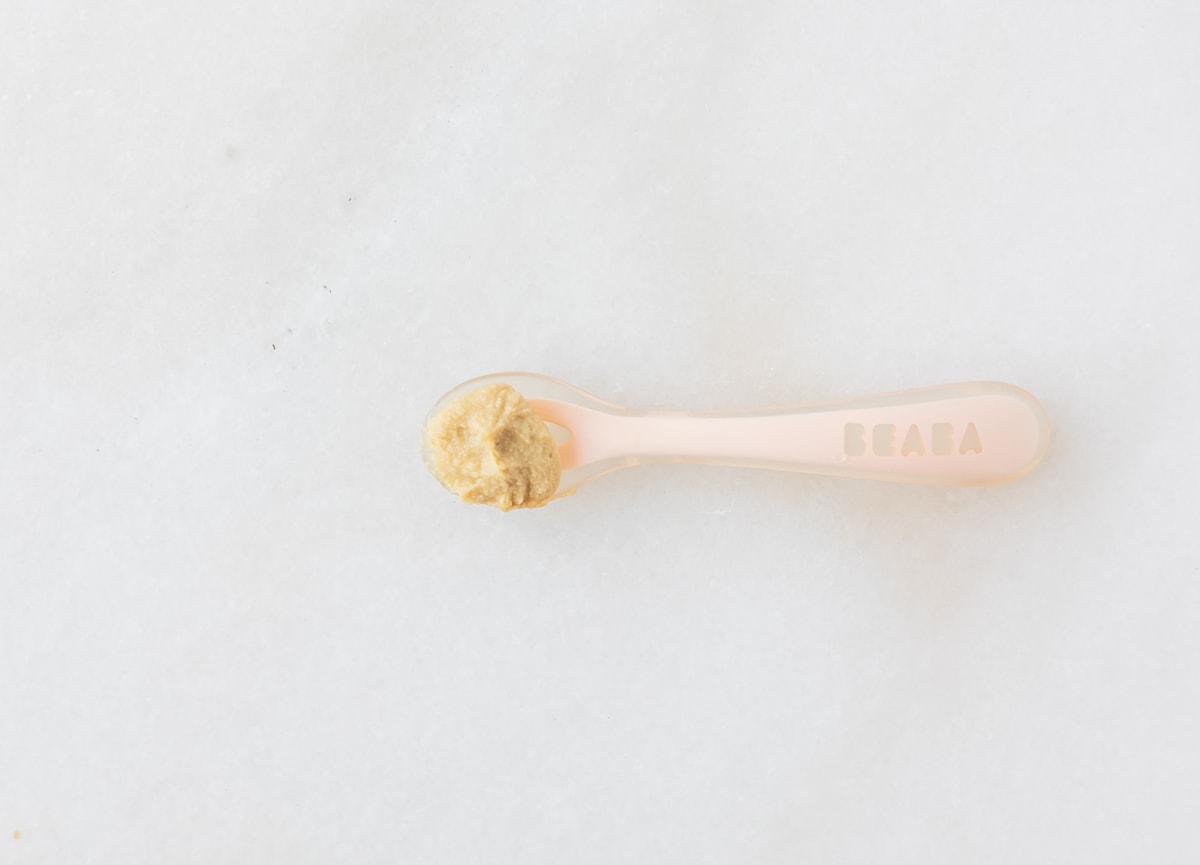
For spoon-fed babies as young as 4 months old, tahini, sesame seeds, or sesame oil can be stirred into purees that baby is already eating. You may need to thin the puree significantly based on baby's stage, especially if you're using tahini, since it tends to seize up when mixed with liquid. Just add more liquid and keep stirring! Once baby has progressed to lumpy textures and finger foods, use the methods listed above for BLW.

BLW Friendly Sesame Recipes
I love using tahini in recipes for baby, since it is so versatile and adds a nice nutty flavor to foods. Here are some of my favorites for little ones:
FAQ
Yes! These tiny seeds are packed with nutrients babies need to thrive, including B vitamins, folate, minerals like calcium, iron, zinc, copper, manganese and magnesium, as well as healthy fats and anti-inflammatory antioxidants. The nutrients in sesame will be best absorbed if seeds are crushed, ground, or in the form of tahini, since whole seeds typically get swallowed whole, and therefore the body can't use the nutrients as well.
If your baby is not at high risk for food allergies, introduce sesame when introducing other solid foods (not at the same time as other allergens) around 6 months of age. Once you've safely introduced it with no reaction, aim to keep sesame in baby's regular diet alongside other foods.
If your baby is at high risk for food allergies (moderate to severe eczema, family history of food allergy, or confirmed allergy to other foods), you may want to introduce sesame earlier, around 4-6 months. You can ask your doctor or allergist about in-office introduction if you are more comfortable with that.

Leave a Reply